

Company formation in Central Europe – Comparing Poland, Hungary, Slovakia and the Czech Republic
When you are starting business in Central Europe, it might not be obvious where you want to set up your company. This short comparison of company formation in Poland, Hungary, Slovakia and the Czech Republic might be able to set you on the right track.When you are starting business in Central Europe, it might not be obvious where you want to set up your company. This short comparison of company formation in Poland, Hungary, Slovakia and the Czech Republic might be able to set you on the right track.
When you are starting business in Central Europe, it might not be obvious where you want to set up your company. This short comparison of company formation in Poland, Hungary, Slovakia and the Czech Republic might be able to set you on the right track.When you are starting business in Central Europe, it might not be obvious where you want to set up your company. This short comparison of company formation in Poland, Hungary, Slovakia and the Czech Republic might be able to set you on the right track.
Last updated on 10 November 2020.
Tax havens in central Europe
Contrary to hearsay, you will have to pay taxes no matter where you set up your company. The amount of taxes varies greatly, and you optimize your costs if you select a country with a taxing profile that matches your activity.
See our brochure for a table, or read below for a description.
Setting up an LLC is an attractive form of doing business. It is possible in all the countries concerned now, but the process is fastest in Hungary, where registration is complete within just 4-5 working days. The same takes at least 3 days – 1 week in the Czech Republic, 3 weeks in Serbia, and 3-4 weeks in Slovakia and Poland.
The minimum share capital is lowest in the Czech Republic with just CZK 1 (a fraction of EUR 1), followed by Serbia (EUR 500), Poland (EUR 1,250), and Slovakia (EUR 5,000). In Hungary, the minimum share capital is ca. EUR 8,300.
Corporate tax in Central Europe is the lowest in Hungary, with just 9%. It is 15% in Serbia and the Czech Republic, 19% in Poland, and 21% in Slovakia.
Dividend tax is 7% in Slovakia, 15% in Hungary, Serbia, and the Czech Republic, and 19% in Poland.
VAT, or value added tax (also sales tax in some countries) is added to the net price of the goods and products you buy and sell. It can usually be reclaimed at the end of a fiscal period. If you do trade between EU member states, you can issue invoices that do not contain VAT, which can make your products more attractive to buyers. As a result, if you are planning on it is worth opening a European company in an EU member state such as Slovakia (20%), the Czech Republic (21%), Poland (23%) or Hungary (27%) instead of Serbia (20%), even if the rate of VAT is higher there.
Company formation procedures
For setting up an LLC, you do not actually need to travel to any of these countries of Central Europe: a power of attorney will be enough. However, you do need to be present when you open your company bank account (except in Serbia). Since in Hungary company formation takes only 4-5 business days, you can make one single trip to Hungary, stay just a few days, and take care of both company formation and bank account opening on your own. In other countries, where the process takes more time, it is worth using a POA for the incorporation.
An EU VAT number is necessary for trading without VAT in the EU. It is not available for companies in Serbia, as they are not members of the EU. It is available in Poland, but it takes some time to receive it. In Slovakia it is available within a month, but application fees might add up to EUR 2,000. In Hungary, it might take 2 months to obtain the EU VAT number. In Hungary, you can apply for it already at the time of incorporation, so you can issue zero VAT EU invoices starting from day 1.
Wherever you decide to set up your company, you will certainly need a local seat address, where authorities will except to find you with official letters. An efficient way of securing both a registered address and getting someone to handle official mail (that usually does not require your attention and can directly forwarded to your accountant) is contracting a “Virtual Office” provider. This service ensures that your company misses no important taxing deadlines.
You will always need a local accountant, who knows all the local regulations relevant for invoicing, payroll, and paying taxes in general. The price of accountancy will depend on your business operation: how many invoices you issue and receive each month, how much is your turnover, how many employees you have, etc.
Business visa and European residency
Company formation in each of these countries is available to all nationalities. Slovakia is the only one where residency is required for company set-up, but the incorporation itself makes you eligible for residency. If you are a managing director of an EU country like Hungary, Poland, Slovakia or the Czech Republic, your residence permit will be equivalent of an EU visa, since residents of the European Union can travel to countries of the Schengen zone without a separate visa.
If you want to actually perform tasks at your company and not only act as the managing director, you will also need a work permit. If you want to employ foreign workers at your company, they will also need work permits. In Poland, Slovakia and Serbia, only the future employer (you) can apply for work permits for the employees, once you already have an agreement. In Hungary and the Czech Republic, the employee can do it on their own, but they also need a labor contract or at least a preliminary agreement.
Residency and work permit application may take a few months in all countries, so make sure to apply in time. (The process takes at least a month in Poland, about 3 months in Hungary and in Slovakia, and about 4 months in the Czech Republic. In Serbia, you can get a work permit in just a few days, but you need to already have a residence permit.) Your employees can start working only once they have received their work permits, so you should plan ahead a few months.


التواصل
تواصل معنا اليوم

من الإثنين إلى الجمعة
9 صباحًا - 5 مساءً بتوقيت وسط أوروبا
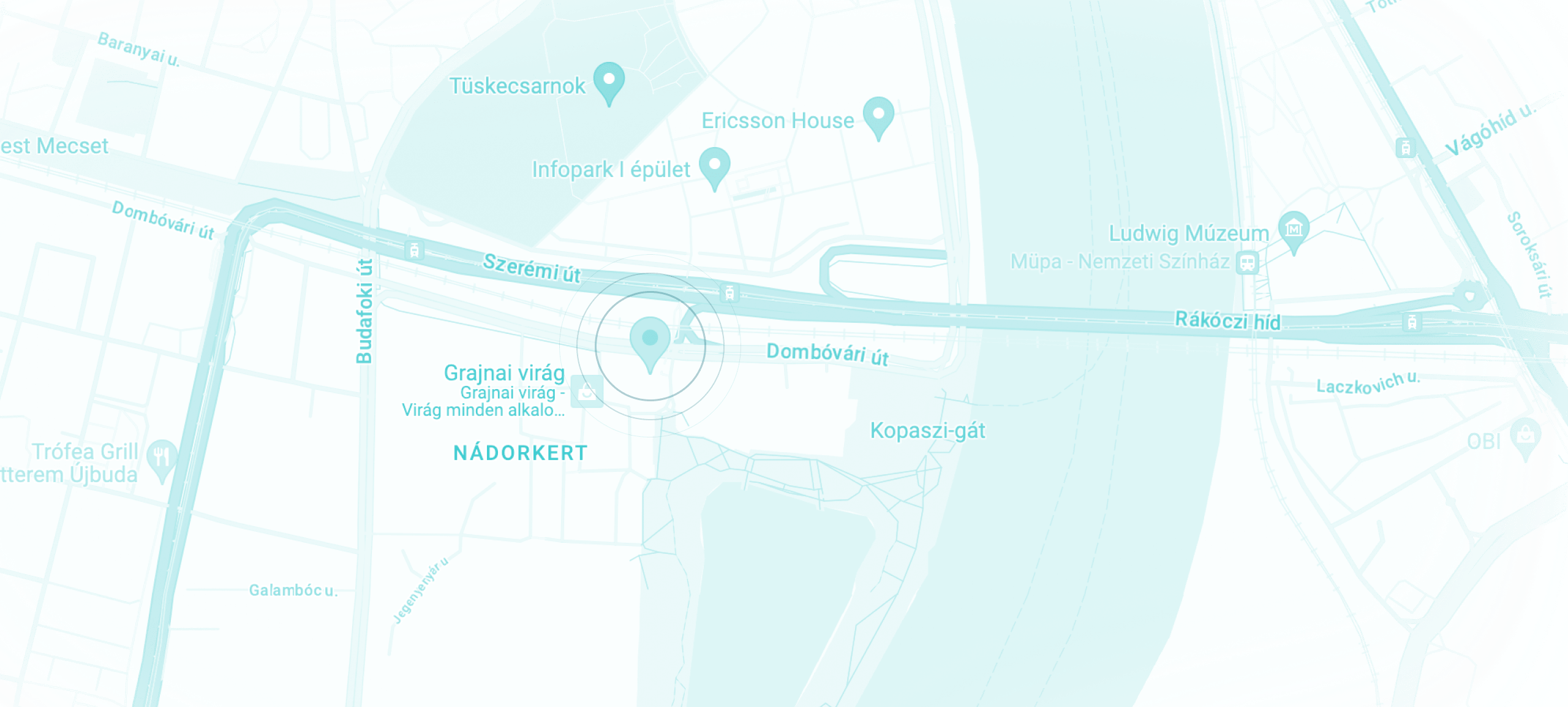
Helpers Hungary Kft
Budapart Gate
Dombóvári út 27
Budapest 1117, Hungary
إذا كنت تزورنا، يرجى استخدام المدخل A والتوجه إلى الطابق الثاني.