

Helpers works with a round table of experts to propose work permit reform
Over the last few weeks, HELPERS has been working together with immigration, HR and business experts to create a proposal to reform Hungary’s immigration legislation.
Over the last few weeks, HELPERS has been working together with immigration, HR and business experts to create a proposal to reform Hungary’s immigration legislation.
Since Hungary’s new government has expressed a firm commitment to EU conformity, Hungary’s competitiveness, and a thorough review of the country’s immigration policies, on May 21st, 2026 Helpers initiated and hosted a round table to discuss changes required to the current legislation concerning the employment of foreign nationals. The participants came from a variety of related fields (immigration and relocation, HR, business services, chambers of commerce and embassies). It quickly became apparent that the main issues that any reform proposal needs to address are 1) transparency, 2) EU compatibility, and 3) factors that currently hinder Hungary’s competitiveness in the CEE region and across Europe.
After weeks of collaboration and a follow-up round table, several participants joined forces and have submitted a proposal to the government. We expect this to be a first step in wider stakeholder discussion to follow, and will hopefully have a lasting impact towards restoring Hungary’s immigration framework to a more market-friendly basis.
The main points of the proposal
Hungary’s current work permit and residency system, introduced in January 2024, has created a fragmented, non-transparent framework that lacks a default work permit type – a category that is the basis of every EU country’s legislation. This has severely restricted the hiring of non-EEA nationals (also known as third-country nationals): in 2025, only 6% of applications fell under the two “highly qualified” categories, with the rest more or less limited to low- or unskilled work. This lack of suitable work permit options has driven investors and skilled workers toward other European countries, undermining Hungary’s competitiveness, particularly for high-value-added sectors like the business services sector (e.g. SSCs), which in itself accounts for roughly 9-10% of Hungarian GDP.
The core recommendation is to consolidate the current system – which includes over 20 legal titles such as the National Card, Corporate Card, Hungarian Card, and various guest-worker subcategories – into two main permit types: a default work-purpose residence permit requiring case-by-case labor market testing (protecting domestic jobseekers by requiring positions first be offered to Hungarian and EEA candidates), and the EU Blue Card for highly qualified workers, in line with EU requirements. Seasonal work and investment-implementation permits could be retained separately for temporary workforce needs. This restructuring is also necessary for compliance with the EU’s Single Permit Directive, whose transposition deadline expired in May 2026, exposing Hungary to potential infringement proceedings if its laws remain misaligned.
Beyond the mandatory EU requirements (a 90-day decision deadline, employer-change rights, job-seeking grace periods, and equal treatment protections), we recommend additional measures aligned with EU best practices: permitting family reunification under the default work permit (to improve the competitiveness of Hungarian employers for global talent); retaining but reviewing permanent residency requirements (including the cultural examination); and reforming the EU Blue Card by introducing a lower salary threshold for early-career graduates, guaranteeing salary thresholds for multi-year periods, and allowing employer changes after 12 months via simple notification rather than a new application.
We have also flagged several unresolved issues for further consultation, including the future of temporary work agencies and labor rental arrangements, criteria for “privileged employer” status, special treatment for Ukrainian and Serbian workers (especially given the planned abolition of the National Card), possible reintroduction of a shortage-occupation scheme, and review of the cultural integration exam.
Read the proposal here
You can access the full text of the proposal in Hungarian and English. Any questions or press queries should be directed to Helpers MD Barbara Ürögdi (barbara@helpers.hu) or the head of our immigration department Dorka Csathó-Szabó (dorka@helpers.hu).



Contact
Contact us today

Monday - Friday
9am - 5pm CET
Helpers Hungary Kft
Budapart Gate
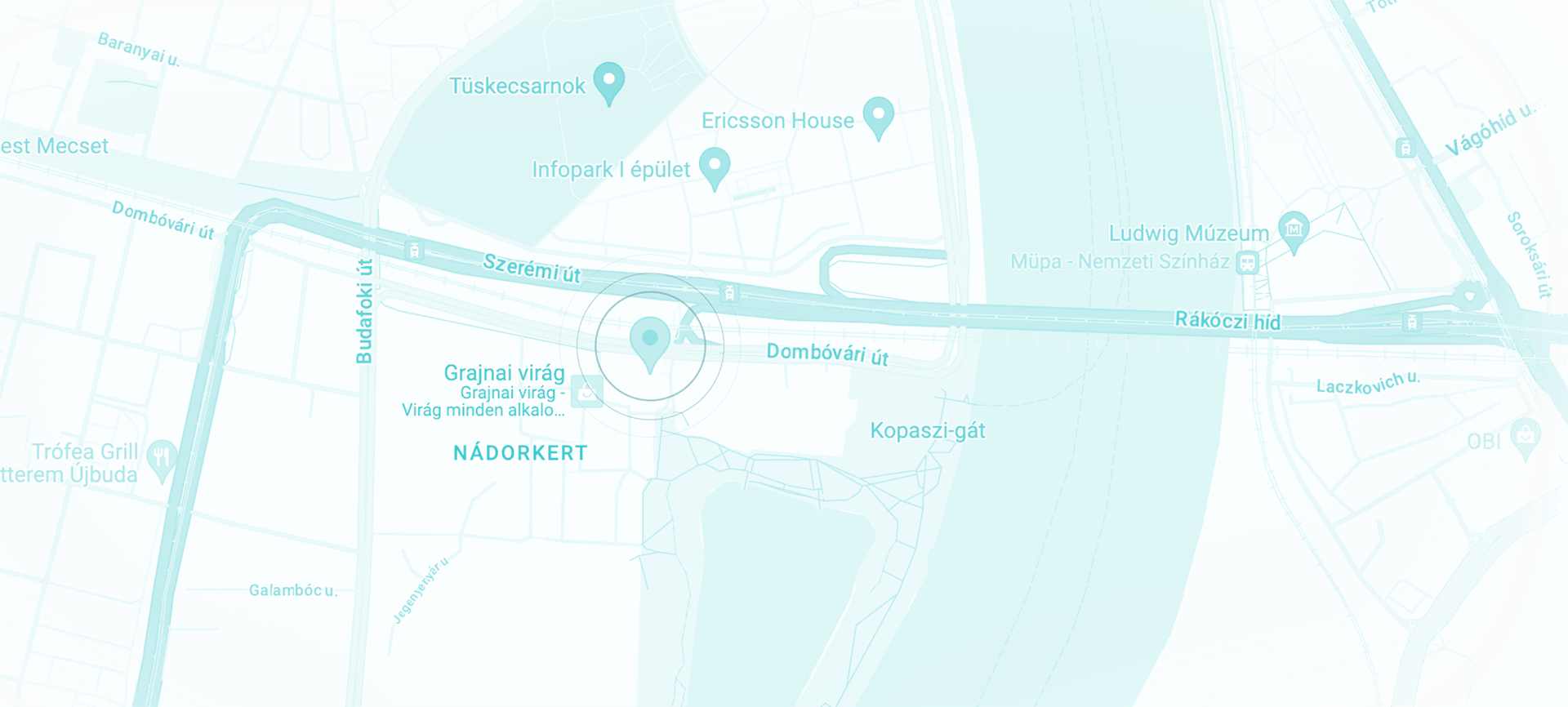
Dombóvári út 27
Budapest 1117, Hungary
If you’re visiting us, please use entrance A and come to the 2nd floor.